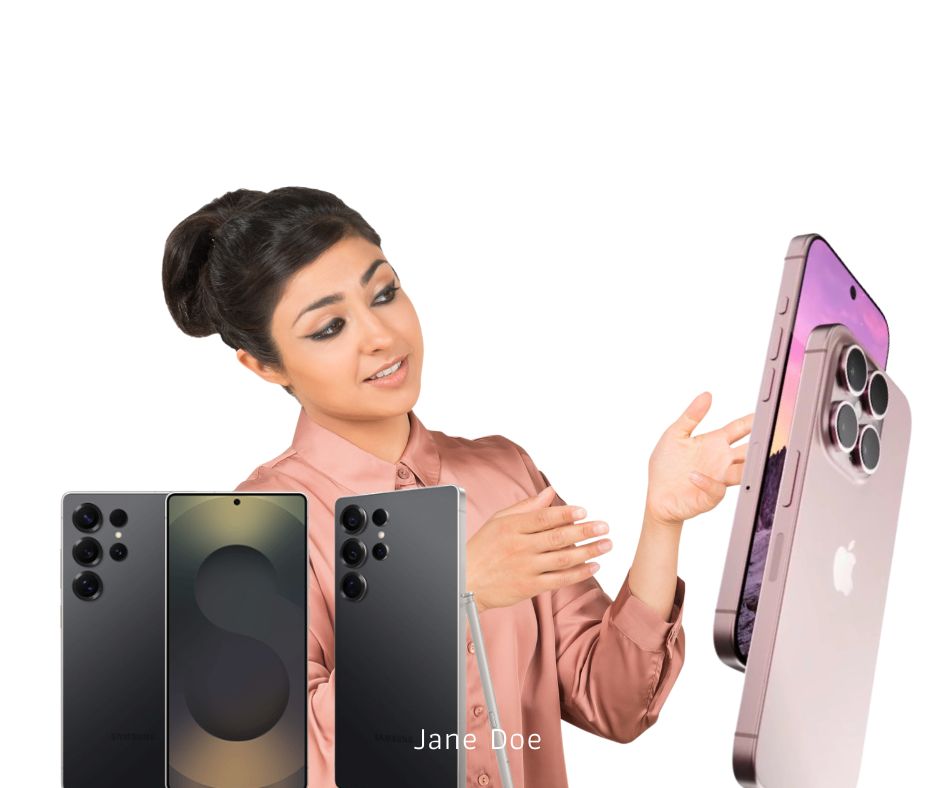
Samsung Galaxy S26 Ultra vs iPhone 18 Pro Max: The Ultimate Flagship Showdown

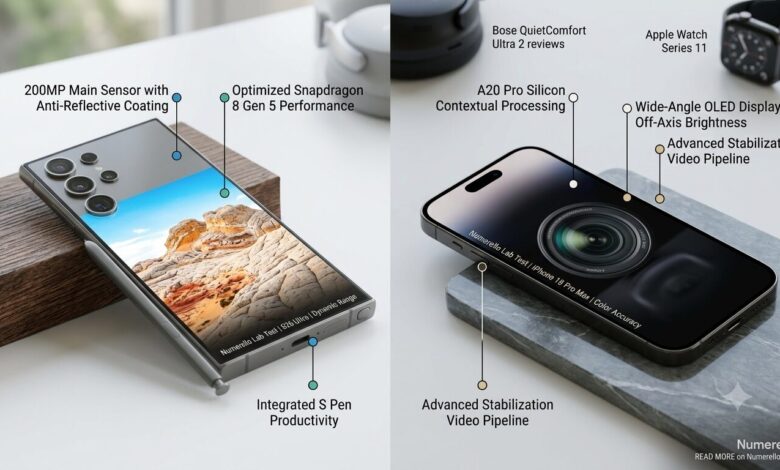
The premium smartphone landscape has reached a fascinating maturity. Consumers no longer look for simple raw hardware upgrades. Instead, they demand seamless ecosystem synergy, localized processing intelligence, and exceptional thermal durability. The choice between the absolute best of Android and iOS has never been more tactical.
At Numerello, we look beyond the initial marketing sheets to evaluate sustained daily utility. We compared the Samsung Galaxy S26 Ultra and the iPhone 18 Pro Max over weeks of heavy multi-tasking. This breakdown will analyze their design, processing pipelines, and real-world endurance to help you make an informed decision.
1. Design and Display Engineering
Both manufacturers continue to refine their premium titanium chassis layouts. However, their philosophical approaches to ergonomics differ fundamentally.
Samsung utilizes a sharp, boxy silhouette that maximizes screen real estate. The integration of the embedded stylus remains an unmatched productivity feature. In contrast, Apple has focused heavily on border reduction structures. The contoured edges feel significantly more natural during extended typing sessions without a protective case.
When evaluating screen technology, both panels represent the absolute pinnacle of mobile displays. Samsung features a bright Dynamic AMOLED display with industry-leading anti-reflective properties. Consequently, visibility under direct midday sunlight is flawless.
Conversely, Apple introduces a wide-angle OLED technology that increases off-axis brightness. Therefore, you can view notifications perfectly from awkward viewing angles without color shifting.
2. Processing Power: Snapdragon 8 Gen 5 vs A20 Pro Silicon
The performance narrative has shifted entirely from synthetic benchmarks to on-device efficiency. Both devices now handle complex workflows locally without relying on external cloud servers.
Samsung deploys the Snapdragon 8 Gen 5 chip alongside a massive vapor chamber cooling infrastructure. This setup excels at maintaining sustained frame rates during intense mobile rendering sessions. In addition, the generous system memory allows users to keep dozens of browser tabs open simultaneously.
On the other side, Apple deploys the custom A20 Pro silicon. This processor is engineered around a strict, privacy-first local architecture. It handles contextual cross-referencing and background language tasks with zero latency.
Therefore, application launching and system navigation feel entirely instantaneous. If you want a deep dive into the local processing mechanics of this chip, you can read our standalone iPhone 18 Pro Max review.
3. Camera Subsystems: Computational Physics vs Raw Megapixels
For content creators, the camera arrays are the single most critical factor. Both flagships approach mobile photography from different angles.
Samsung utilizes a high-resolution main sensor paired with an advanced optical zoom array. The sharpness at high magnification steps is truly impressive. It captures fine text and distant architecture with remarkable clarity. Furthermore, the manual camera controls provide professional publishers with complete creative freedom.
Apple chooses to focus heavily on optical physics and video pipeline fluidness. The main sensor features an advanced anti-reflective coating. This update completely eliminates the green ghosting lens flares that historically ruined nighttime city captures.
More importantly, the stabilization system delivers handheld video captures that rival professional motorized gimbals. It provides an exceptional tool for mobile creators who rely on continuous video publishing workflows.
4. Ecosystem Synergy and Productivity Extensions
A flagship device does not exist in isolation. Its value multiplies when it connects fluidly to your broader workspace environment.
Samsung offers an incredible desktop-class experience directly from the phone. You can connect the device to a monitor to run a full multi-window interface. This integration works beautifully when managing assets or transferring large media libraries across your primary storage devices.
It creates a powerful mobile workstation when paired with an advanced media consumption setup like the Samsung Galaxy Tab S10 Ultra.
Apple relies on tight platform integration to drive user efficiency. The device functions as a secure cryptographic token for your entire hardware suite. For instance, the phone synchronizes clipboard text and media assets instantly across your workspace.
This localized synergy allows you to transfer mobile footage directly to an editing desk when working on an ultra-light laptop like the Apple MacBook Air M4.
5. Battery Lifespan and Power Delivery
Raw processing speed means very little if the device cannot survive a grueling workday. Both manufacturers have optimized their power management protocols to historical levels.
Samsung delivers a dependable performance profile that comfortably handles a full day of heavy cellular data usage. The primary advantage remains the faster charging speeds. You can top up the device quickly before heading out for an evening event.
Apple benefits significantly from the vertical integration of the S21 operating system and the efficient A20 Pro silicon. In our standardized testing protocols, the phone delivered phenomenal endurance metrics. It achieved over sixteen hours of continuous active screen-on time during background syncing and camera usage.
Therefore, it stands as a genuine two-day flagship for mainstream users. This optimization reduces charging anxiety during long business transits.
6. Technical Comparison Matrix
| Feature Specification | Samsung Galaxy S26 Ultra | iPhone 18 Pro Max |
| Chassis Silhouette | Sharp Geometric with Stylus | Contoured Edge Titanium |
| Primary System Chip | Snapdragon 8 Gen 5 | Apple A20 Pro Silicon |
| Real-World Battery Span | Full Day Intensive | Genuine Two-Day Moderate |
| Video Production Focus | Manual Pro Controls | ProRes Log Stabilization |
| Platform Extension | Desktop Mirroring Mode | Proximity Security Sync |
7. The Final Verdict: Strategic Buying Guidance
The decision between these two premium flagships depends on your specific operational requirements.
You should select the Samsung Galaxy S26 Ultra if you require an integrated stylus for active notation, prefer an open file management layout, and want maximum optical zoom capabilities. It remains the absolute king of versatile mobile productivity.
Conversely, you should select the iPhone 18 Pro Max if you want best-in-class mobile video stabilization, require exceptional battery endurance, and value a privacy-first local intelligence workflow.
It delivers an incredibly polished experience that integrates flawlessly into an existing hardware ecosystem. If you are also exploring alternative wearable companions that offer great battery life without platform lock-in, make sure to read our Google Fitbit Air review to complete your setup decision.