
The Fenix 8 Pro is the newest flagship multisport smartwatch from Garmin, revealed in September 2025. It takes the Fenix line a big step forward with built-in LTE, two-way satellite messaging, and—on one version—a MicroLED display capable of reaching up to 4,500 nits for extreme outdoor visibility.
For official details and configurations, you can view the product page here.
This review examines the watch’s design, hardware upgrades, sports and training tools, new connectivity features, real-world battery performance, and—most importantly—whether its premium price is truly worth paying.
Garmin Fenix 8 Pro Review: LTE, Satellite Messaging, and a Brighter-Than-Ever Display
The Garmin Fenix 8 Pro is positioned as the most ambitious Fenix yet—built for athletes, explorers, and anyone who wants a true “do-it-all” watch. With native LTE, two-way satellite messaging, and an optional MicroLED display that can hit extremely high brightness, it’s clearly designed for people who train hard, travel often, and care about safety as much as performance.
This review covers the design, hardware upgrades, sports features, connectivity, battery life, and whether the premium price makes sense.
Quick Overview
If you’re deciding fast, here’s the short version:
-
Best for: serious multisport athletes, hikers, endurance runners, and outdoor travelers
-
Standout upgrades: LTE on-board, two-way satellite messaging, ultra-bright MicroLED option
-
Main tradeoff: price + (likely) subscriptions for advanced connectivity
-
Bottom line: a powerhouse watch—if you’ll actually use its connected safety features and pro-level training tools
Design and Comfort
The Fenix series has always leaned rugged, and the Fenix 8 Pro doubles down on that identity. It’s built to handle sweat, rain, cold, and knocks—while still looking premium enough for everyday wear.
What you’ll notice on the wrist:
-
A sturdy, outdoor-ready build with a premium feel
-
Ergonomic fit (especially if you pick the right case size for your wrist)
-
Buttons designed for use with wet hands or gloves—because touch screens don’t always behave outdoors
Comfort note: The biggest factor isn’t just weight—it’s how the watch sits during long sessions. If you run, cycle, or lift frequently, a good fit matters as much as the features.
Display Options: Why MicroLED Matters
The headline feature here is the MicroLED variant—and it’s not just marketing. The biggest benefit is visibility: in harsh sunlight, a bright screen changes the experience.
MicroLED advantages:
-
Extremely bright for outdoor readability
-
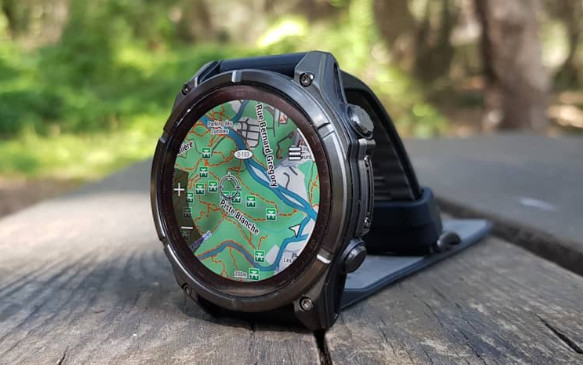
Crisp, vibrant visuals (great for maps, data screens, and navigation prompts)
-
Better “instant glance” readability when you’re moving fast
But here’s the tradeoff:
A brighter screen usually means higher power draw, especially if you keep brightness high or use always-on settings. So display choice can directly affect how often you charge.
Hardware Upgrades and Everyday Performance
On a premium multisport watch, performance isn’t about gaming-level speed—it’s about responsiveness, stability, and sensors that behave consistently.
You can expect upgrades that matter in real life:
-
Faster menu navigation and smoother map interaction
-
More reliable connectivity handling (especially with LTE features)
-
A “snappier” experience when switching between workout modes, widgets, and navigation tools
The overall feel is that it’s designed not only for workouts, but for reliable outdoor use when you can’t afford glitches.
Sports and Training Features: Built for Serious Athletes
This is where the Fenix line usually wins—and the 8 Pro continues that. It’s made for structured training, long-distance tracking, and multi-activity weeks.
What it’s best at:
-
Multisport modes (run, bike, swim, tri)
-
Advanced training insights (load, recovery, readiness-style guidance)
-
Detailed metrics for endurance athletes (pace, effort, zones, intervals)
-
Reliable workout recording for both indoor and outdoor sessions
If you train consistently (3–6 days/week), the watch’s insights become more valuable over time—because the data gets smarter when it has patterns to learn from.
Connectivity Upgrades: LTE + Two-Way Satellite Messaging
This is the biggest “new era” upgrade. The Fenix 8 Pro aims to be not only a sports watch, but a safety and communication tool.
Native LTE: What it’s actually good for
LTE can enable:
-
Safety features and emergency support
-
Location sharing during long runs/hikes
-
Convenience when you don’t want to carry your phone
Reality check: LTE features typically require a compatible plan and coverage. It’s a huge plus if you’ll use it often, but it’s not “free magic.”
Two-way satellite messaging: Why outdoor users care
Satellite messaging is a big deal for:
-
hikers in remote areas
-
trail runners
-
solo travelers
-
expedition-style trips where cell service is unreliable
Two-way messaging means it’s not just a one-way SOS—communication can be more practical when you truly need it.
Another reality check: satellite messaging often comes with limitations (subscription, regional availability, message limits, and sky visibility).
Navigation, Maps, and Outdoor Tools
Fenix watches are popular with outdoors people for one main reason: they don’t just track workouts—they help you find your way.
Expect features like:
-
Turn-by-turn style guidance (depending on the activity and maps)
-
Route following and backtracking
-
Useful outdoor widgets (altitude, barometer trends, sunrise/sunset, storm alerts)
If you do long hikes, mountain runs, or cycling routes in unfamiliar areas, this section alone can justify choosing a Fenix over a simpler smartwatch.
Battery Life: Strong, but Depends on How You Use It
Battery is always the “it depends” part.
In general:
-
Basic smartwatch mode should last a long time
-
GPS workouts reduce battery faster
-
LTE and satellite features can impact battery depending on how often you use them
-
MicroLED brightness can be a battery factor if always-on + high brightness is enabled
Best tip for real-world battery:
Use high brightness only when you need it (outdoors), and choose balanced GPS settings unless you’re doing serious navigation.
Software Experience: More Powerful Than Typical Smartwatches
The Fenix style is different from “phone-on-your-wrist” watches. It focuses on performance, training data, and outdoor utility—not flashy app ecosystems.
What you get instead:
-
deep customization of data screens
-
robust workout planning and execution
-
consistency and reliability for athletes
If you want a watch mainly for messaging apps and social features, you might prefer a more “lifestyle-first” smartwatch. But if you want training-first, this is where Garmin usually shines.
Is the Price Justified?
The high price makes sense only if you’ll use the “Pro” parts of the watch.
Worth it if you:
-
train seriously and want advanced metrics
-
spend time outdoors where safety matters
-
value maps/navigation on-wrist
-
want LTE and satellite messaging as real tools, not “nice-to-have”
Not worth it if you:
-
mostly do casual workouts a few times per week
-
don’t need LTE/satellite features
-
mainly want notifications and basic health tracking
-
prefer a cheaper watch + phone combo
Pros and Cons
Pros
-
Most connected Fenix yet (LTE + satellite messaging)
-
MicroLED option with extreme brightness
-
Excellent multisport and endurance training tools
-
Strong navigation/outdoor features
Cons
-
Premium price
-
Connectivity features may require subscriptions
-
Battery varies heavily with GPS/LTE/satellite/display settings
-
Can be “too much watch” for casual users
FAQ
1) What makes the Fenix 8 Pro different from older Fenix models?
The biggest upgrades are native LTE, two-way satellite messaging, and a MicroLED display option with very high brightness.
2) Does LTE work everywhere?
LTE depends on network support and coverage, which varies by country and carrier compatibility.
3) Is the MicroLED display worth it?
If you train or travel outdoors often, brightness and clarity can be a major quality-of-life upgrade.
4) Will satellite messaging work without cell service?
That’s the point—satellite messaging is designed for remote areas, but it can still depend on subscription, region, and sky visibility.
5) Who should buy the Fenix 8 Pro?
Athletes and outdoor users who want advanced training tools plus serious connectivity and safety features.
Verdict
The Garmin Fenix 8 Pro feels like Garmin’s most “no-compromise” Fenix so far: more connected, more capable, and more outdoor-ready. If you’re the kind of user who will benefit from LTE and satellite communication—and you regularly train with data—the price can be justified. If you mainly want a stylish smartwatch for everyday notifications and occasional workouts, it may be overkill
👉 Recommended next articles:
-
Best GPS Watches for Adventure 2025