
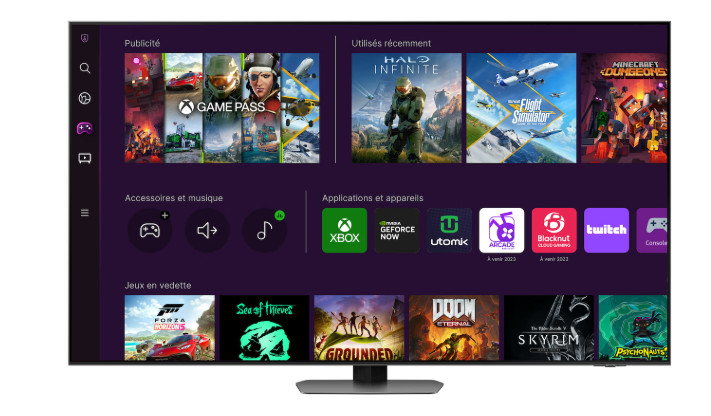
The Samsung QN90C remains one of the most searched and reviewed Mini-LED TVs on the market.
But is it still worth buying today?
And how does it compare to OLED alternatives?
Here’s a complete breakdown of its real-world performance, strengths, weaknesses, and who should actually buy it.
Quick Verdict
⭐ Excellent brightness
⭐ Great for sports
⭐ Fantastic for gaming
⭐ Strong HDR impact
⚠️ Blacks not OLED-perfect
Best for: Bright rooms, sports fans, gamers.
Design & Build Quality
Samsung went with a clean, premium look:
-
Ultra-slim profile
-
Very thin bezels
-
Metallic finish
-
Solid central stand (varies by size)
Wall-mounted, it looks modern and minimal.
Build quality feels solid and premium with no panel flex.
Picture Quality
This is where the QN90C stands out.
Brightness Performance
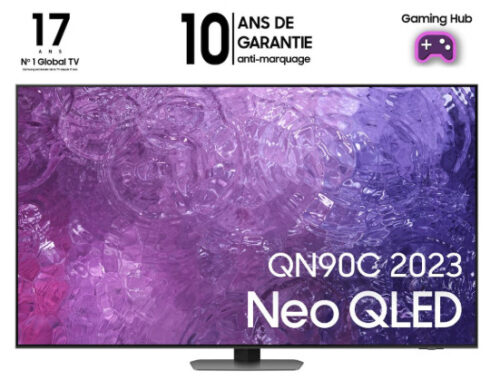
Peak brightness is extremely high for a Mini-LED TV.
In bright rooms:
-
No washed-out image
-
Strong glare resistance
-
HDR highlights look intense
If your living room gets sunlight, this TV performs better than most OLED models.
Black Levels & Contrast
With advanced local dimming zones:
-
Blacks look deep
-
Blooming is controlled
-
Dark scenes remain impressive
However:
-
Blacks are not pixel-perfect like OLED
-
Slight halo may appear in extreme contrast scenes
Still, for LCD technology, performance is excellent.
Color Performance
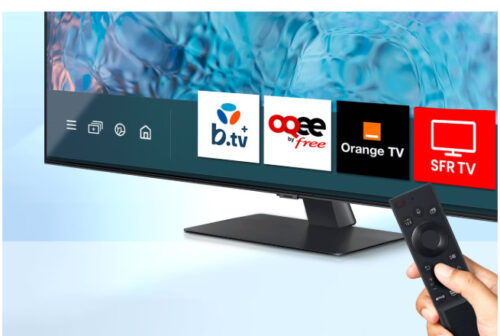
Out of the box:
-
Vibrant but controlled colors
-
Strong HDR tone mapping
-
Natural skin tones
After minor calibration, color accuracy improves further.
HDR Performance
Supports:
-
HDR10
-
HDR10+
-
HLG
It does not support Dolby Vision.
Despite that, brightness makes HDR scenes look dynamic and impactful — especially explosions, reflections, and stadium lighting.
Sports Performance
This is one of its biggest strengths.
Why it excels at sports:
-
High brightness
-
Strong motion clarity
-
120Hz native refresh rate
-
Excellent anti-reflection coating
Fast plays stay smooth and clear without noticeable blur.
Gaming Performance
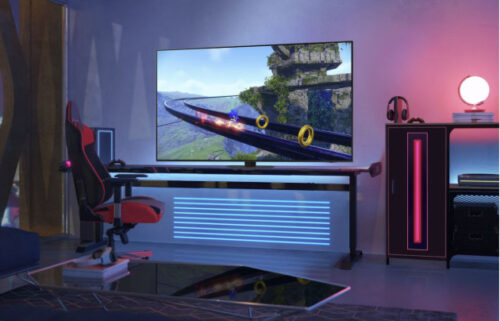
A strong choice for gamers.
Features include:
-
HDMI 2.1 support
-
4K at 120Hz
-
Variable Refresh Rate (VRR)
-
Auto Low Latency Mode (ALLM)
-
Samsung Game Bar
Input lag is very low.
Gaming feels responsive on modern consoles and gaming PCs.
Compared to OLED:
-
Slightly less perfect blacks
-
Brighter HDR highlights
Smart Features
Runs Samsung’s Tizen smart platform.
Advantages:
-
Smooth navigation
-
Large app selection
-
Fast performance
-
Voice assistant support
The interface is responsive and easy to use.
Sound Quality
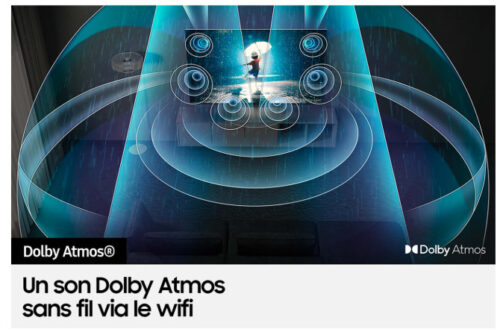
Built-in speakers are decent for everyday use.
-
Clear dialogue
-
Balanced mids
-
Limited deep bass
For cinematic sound, a soundbar is recommended.
Burn-In Risk
There is no burn-in risk.
Unlike OLED panels, Mini-LED technology does not suffer from image retention issues — making it suitable for:
-
News channels
-
Static logos
-
Long gaming sessions
Available Sizes
Common size options include:
-
43″
-
50″
-
55″
-
65″
-
75″
-
85″
Larger sizes often provide strong value compared to OLED alternatives.
QN90C vs OLED (General Comparison)
| Feature | QN90C | OLED |
|---|---|---|
| Bright Room | Excellent | Good |
| Black Levels | Very Good | Perfect |
| HDR Impact | Strong | Cinematic |
| Burn-In Risk | None | Very Low |
| Price per Inch | Better | Higher |
Who Should Buy It?
✔ Bright living rooms
✔ Sports fans
✔ Gamers
✔ Large screen buyers
✔ Buyers concerned about burn-in
Who Should Skip It?
✘ Dedicated dark-room movie enthusiasts
✘ Buyers who prioritize Dolby Vision
✘ Those who want absolute black perfection
Pros & Cons
Pros
-
Extremely bright
-
Excellent sports performance
-
Strong gaming features
-
No burn-in risk
-
Impressive HDR impact
Cons
– No Dolby Vision support
– Blacks not as perfect as OLED
– Premium pricing compared to budget models
Final Verdict
The Samsung QN90C remains one of the strongest Mini-LED TVs for bright-room viewing and sports.
It may not surpass OLED in cinematic black levels, but in real-world use — especially for gaming and daytime viewing — it performs exceptionally well.
For many buyers, it strikes an excellent balance between brightness, performance, and reliability.